Table of Contents
ToggleSustainable living tools make it easier to reduce waste, conserve resources, and lower environmental impact at home. These products help households cut energy bills, minimize plastic use, and create healthier living spaces. From kitchen gadgets to garden equipment, the right sustainable living tools turn eco-friendly intentions into daily habits.
This guide covers the most practical sustainable living tools available today. Each category focuses on items that deliver real results without requiring major lifestyle changes. Whether someone wants to start composting, save water, or switch to non-toxic cleaning supplies, these recommendations offer clear starting points.
Key Takeaways
- Sustainable living tools like reusable food storage, composting systems, and vegetable brushes significantly reduce kitchen waste without major lifestyle changes.
- Water-saving fixtures such as low-flow showerheads and dual-flush converters can cut water consumption by 25-60%, lowering bills and conserving resources.
- LED bulbs and smart power strips eliminate energy waste, using up to 75% less electricity while preventing phantom power drain from idle electronics.
- Manual garden tools, drip irrigation systems, and organic soil amendments make home gardening more productive and environmentally friendly.
- Non-toxic cleaning solutions and reusable tools like Swedish dishcloths replace harmful chemicals and single-use plastics for a healthier home.
- Investing in quality sustainable living tools reduces the cycle of buying and discarding, saving money while minimizing environmental impact.
Must-Have Kitchen and Composting Tools
The kitchen generates more household waste than any other room. Sustainable living tools for this space focus on reducing single-use items and processing organic waste effectively.
Reusable Food Storage
Silicone food bags replace disposable plastic bags for storing leftovers, snacks, and meal prep ingredients. They withstand freezer temperatures and dishwasher cleaning cycles. Beeswax wraps offer another option for covering bowls and wrapping sandwiches. These wraps last about a year with proper care.
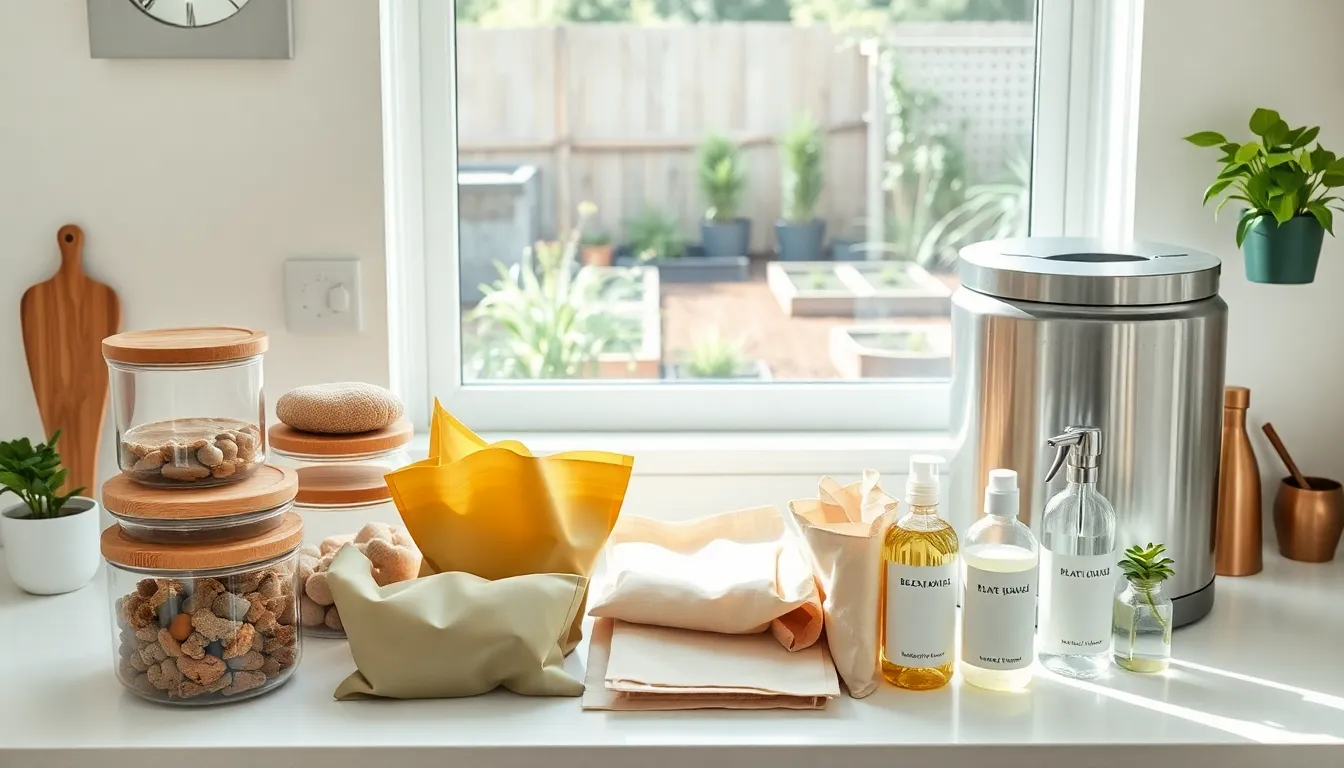
Glass containers with bamboo lids eliminate plastic food storage entirely. They work for refrigerator storage, microwave reheating, and even oven use in some cases.
Composting Systems
Countertop compost bins hold food scraps until transfer to outdoor systems. Look for bins with charcoal filters to control odors. Stainless steel models resist stains and clean easily.
For apartments or small spaces, electric composters break down food waste within hours. These machines produce nutrient-rich soil amendment without outdoor space requirements. Bokashi bins offer another indoor option. They use fermentation to process food scraps, including meat and dairy that traditional composting excludes.
Outdoor tumbler composters speed up decomposition through easy turning mechanisms. Dual-chamber models allow continuous composting, one side breaks down while the other accepts new material.
Kitchen Waste Reducers
Vegetable brushes extend produce life by cleaning without peeling. Produce storage containers with ventilation keep fruits and vegetables fresh longer, reducing spoilage waste. Sustainable living tools like these address waste before it happens.
Water and Energy Conservation Devices
Water and electricity bills reveal how much households spend on resources they often waste. Conservation devices cut consumption without sacrificing comfort.
Water-Saving Fixtures
Low-flow showerheads reduce water use by 25-60% compared to standard models. Modern designs maintain strong pressure even though lower flow rates. Faucet aerators achieve similar savings at bathroom and kitchen sinks for just a few dollars each.
Dual-flush toilet converters add water-saving options to existing toilets. Users select a half flush for liquid waste or full flush when needed. This simple upgrade saves thousands of gallons annually.
Rain barrels collect water from roof runoff for garden irrigation. A single rain event can fill a 55-gallon barrel, providing free water for plants. These sustainable living tools pay for themselves within one growing season.
Energy-Efficient Devices
Smart power strips eliminate phantom energy drain from electronics in standby mode. They detect when devices power down and cut electricity to outlets automatically. Some models include always-on outlets for devices that need constant power.
LED bulbs use 75% less energy than incandescent options and last 25 times longer. Smart bulbs add scheduling features that prevent lights from running when rooms sit empty.
Solar phone chargers and battery packs provide portable renewable energy. Larger solar panels can power outdoor lights, fountain pumps, and small electronics without grid electricity. These sustainable living tools reduce reliance on fossil fuels for everyday power needs.
Sustainable Gardening and Outdoor Equipment
Home gardens produce food, support pollinators, and reduce the environmental cost of transporting produce. The right tools make sustainable gardening more productive and less wasteful.
Manual and Electric Garden Tools
Push reel mowers cut grass without gasoline or electricity for small to medium lawns. They produce zero emissions and require minimal maintenance. For larger properties, battery-powered mowers and trimmers replace gas models without cords limiting movement.
Hand tools made from recycled materials or sustainably harvested wood last longer than cheap alternatives. Stainless steel blades resist rust and hold sharp edges. Quality sustainable living tools reduce the cycle of buying and discarding worn equipment.
Irrigation and Soil Health
Drip irrigation systems deliver water directly to plant roots, reducing evaporation and runoff. Timer attachments automate watering schedules for consistent moisture without waste. Soaker hoses provide similar benefits for garden rows and flower beds.
Compost from kitchen systems enriches garden soil naturally. For additional soil amendments, organic fertilizers derived from plant materials avoid synthetic chemicals. Mulch made from wood chips or straw retains moisture and suppresses weeds without plastic landscape fabric.
Wildlife Support
Native plant gardens require less water and maintenance than exotic species. They provide food and habitat for local pollinators and birds. Mason bee houses encourage these efficient pollinators to nest nearby. Bird feeders filled with quality seed attract species that control garden pests naturally.
Eco-Friendly Cleaning and Household Supplies
Conventional cleaning products contain chemicals that harm waterways and indoor air quality. Sustainable alternatives clean effectively without these drawbacks.
Non-Toxic Cleaning Solutions
Plant-based all-purpose cleaners handle most household surfaces safely. Concentrated formulas reduce packaging waste, one small bottle creates dozens of spray bottles when diluted. Castile soap serves as a base for DIY cleaning solutions, from dish soap to floor cleaner.
Vinegar and baking soda remain effective for many cleaning tasks. Glass spray bottles allow mixing custom solutions at home. These sustainable living tools cost less than commercial products while eliminating plastic waste.
Reusable Cleaning Tools
Swedish dishcloths replace both paper towels and sponges. Each cloth absorbs 15-20 times its weight and lasts months of daily use. They’re compostable at end of life. Microfiber cloths work for dusting and glass cleaning without chemical sprays.
Washable mop pads eliminate disposable Swiffer-style refills. Reusable dryer balls made from wool reduce drying time and replace single-use dryer sheets. They last for over 1,000 loads.
Sustainable Paper Products
Bamboo toilet paper and paper towels come from fast-growing, renewable sources. Some brands use recycled paper instead. Both options avoid virgin tree pulp from old-growth forests. Cloth napkins and unpaper towels eliminate paper products from daily routines entirely.
Refill stations at some grocery stores allow customers to bring containers for dish soap, laundry detergent, and cleaning sprays. This approach eliminates packaging completely for households near participating stores.